
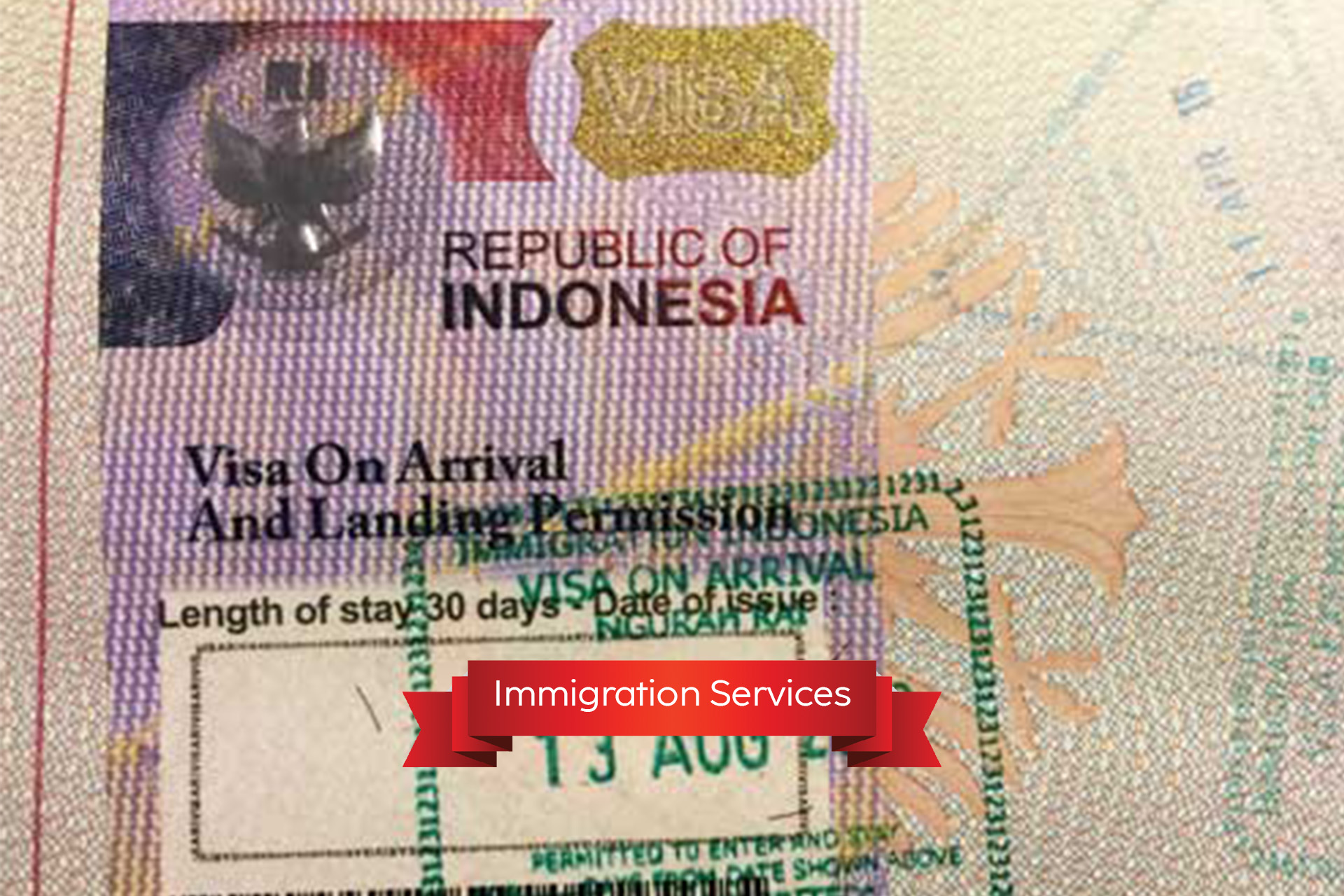
For expatriates, foreign businesspeople, and anyone planning to build a future in Indonesia, an Indonesia visa is often seen as a technical matter that can be handled later. Forms are filled out, documents are uploaded, and then applicants simply wait for the result. In reality, however, an Indonesia visa is one of the most critical stages. Even a minor mistake can lead to rejection. Fees are forfeited. Time is wasted. And most importantly, long-term plans can be disrupted from the very beginning.
This position was clearly reinforced by a statement from Simon Peachey, Chief Operating Officer of VFS Global for Australasia, China, and RCIS. He emphasized that visa rejection decisions are entirely in the hands of immigration authorities or consulates. Service providers have no control over the outcome. This means the quality of the application and the applicant’s strategy play a decisive role.
Three Main Reasons Indonesia Visas Are Rejected
When examined closely, there are three recurring causes of visa rejection. First, applications submitted too close to the intended travel date. Second, incomplete or inconsistent information. Third, choosing the wrong type of visa that does not match the purpose of travel.
These issues may seem simple, but that is precisely where the problem lies. Many applicants assume they can “fix things later.” From an immigration perspective, however, this pattern signals a lack of preparation and regulatory understanding.
In the context of an Indonesia visa, last-minute applications are often considered high risk. Indonesia’s immigration system is now placing greater emphasis on the purpose of entry, length of stay, and planned activities of foreign nationals. When documentation is weak and there is no time for corrections, the likelihood of rejection increases significantly.
The same applies to inconsistent data. Small discrepancies between application forms and passports are not viewed merely as administrative errors. For immigration authorities, they can indicate uncertainty about an applicant’s identity or intentions. In addition, selecting the wrong visa type often leads to findings of activities that do not align with the approved visa during on-site checks.
These three issues are closely connected. Rushed applications reduce attention to detail. Lack of attention leads to data errors. And limited understanding of visa categories increases the risk of rejection from the outset.
Is Obtaining an Indonesia Visa Really Hard?
It is important to understand that stricter controls are not implemented without reason. Indonesia is moving toward a more selective and structured immigration system. The focus is no longer on the number of foreign nationals entering the country, but on the quality of visitors and their compliance during their stay.
For expatriates and foreign businesspeople, this means an Indonesia visa is no longer just an entry document. It is part of a broader monitoring system. Every application builds a record. If issues appear from the beginning, subsequent processes such as visa extensions, changes of status, or work permit applications can become far more complicated.
Read also: SWRO Technology Turns Seawater Into Clean Water at Nusa Dua
In practice, many people only realize this after experiencing a rejection. Yet when viewed from a policy trend perspective, Indonesia’s immigration direction is quite clear. Accuracy, transparency, and alignment of purpose are essential. Those who arrive with well-prepared plans are far more secure than those who rely on assumptions.
How to Ensure an Indonesia Visa Is Approved
At this stage, an Indonesia visa should be treated as a foundation, not a formality. This is especially true for foreigners who plan to stay longer, establish a business, or build professional networks in Indonesia.
Mistakes at the visa stage often trigger a domino effect. Rejection can force schedule changes. Delays can disrupt operations. In some cases, an applicant’s reputation with immigration authorities may also be affected. All of this can be avoided if the process begins with the right strategy.
This is where a professional approach becomes relevant. Not to look for shortcuts, but to ensure that every step taken complies with regulations from the outset. Choosing the correct visa type, preparing complete documentation, and maintaining data consistency all need to be handled in a structured manner.
Bizindo understands this dynamic. Through its Indonesia visa services, stay permits, KITAS processing, and other immigration solutions, Bizindo helps expatriates and foreign businesspeople navigate regulations that continue to evolve. The approach is simple yet critical. Get it right from the start, so problems do not arise later.



 20% off today. Whatsapp us!