
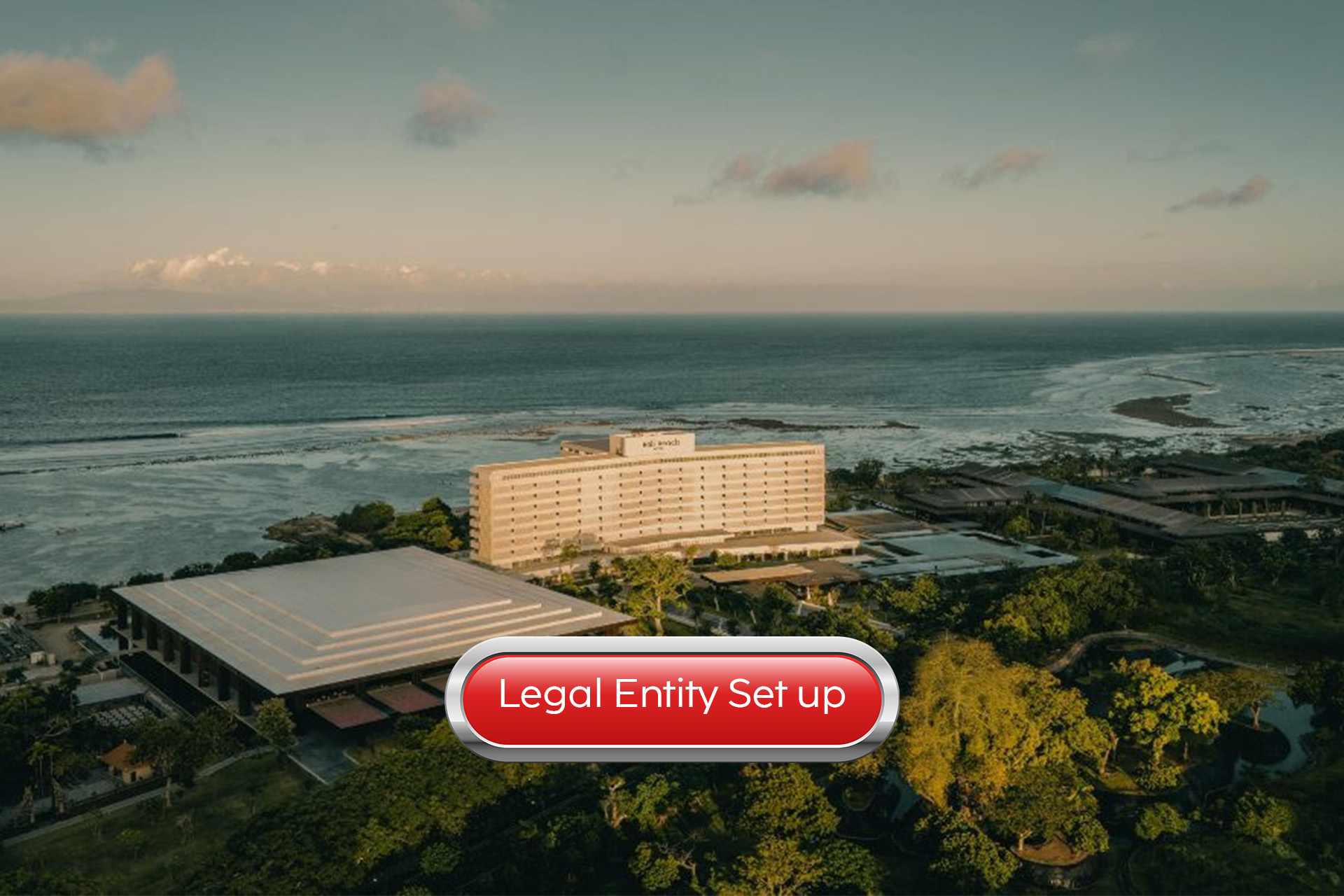
Special economic zones in Indonesia are back in the spotlight as regional investment competition grows more intense. The government does not want to fall behind. While other Southeast Asian countries are moving aggressively to attract investors, Indonesia is stepping up by strengthening regulations, improving infrastructure, and refining its global promotion strategy.
The numbers reflect this momentum. By the end of 2025, total investment realization in SEZs reached Rp336 trillion from 407 businesses, with more than 249,000 jobs created. This shows that SEZs are no longer just plans on paper, but are already operating and expanding.
The push becomes even more evident in 2026. The government is actively improving various aspects to ensure Indonesia’s SEZs can truly compete. The focus is not only on incentives, but also on building a business ecosystem that runs more efficiently and transparently.
Strengthening the Competitiveness of Special Economic Zones in Indonesia
The government believes that the strength of Indonesia’s SEZs must be built on a solid foundation. Regulations are being reinforced to provide better legal certainty for businesses. At the same time, infrastructure around SEZs continues to be developed, from ports and toll roads to integrated logistics connectivity.
Read also: Indonesia Targets 200.000 Electric Vehicles in New Subsidy Program
There is a clear reason behind this. Logistics costs have long been a major challenge for businesses in Indonesia. With improved infrastructure, production processes can become more efficient, distribution faster, and overall competitiveness stronger.
Looking at the policy direction, it is clear that the government is focusing on aspects that directly impact businesses. It is no longer just about offering incentives, but ensuring that business operations can run smoothly. In the context of investment, this kind of stability is often a key factor before investors decide to enter a market.
A New Direction for Special Economic Zones in Indinesia Toward Strategic Sectors
The development of Indonesia’s SEZs is now being directed toward high value-added sectors. The government is no longer relying solely on low-cost industries. The focus has shifted to downstream processing of natural resources, high technology, energy, as well as digital and healthcare sectors.
The list of SEZs across Indonesia reflects this direction. There are 13 industrial SEZs such as Kendal, Gresik, and Batang. There are tourism SEZs like Mandalika and Likupang. There is even a digital SEZ in Nongsa and an education and technology SEZ in Singhasari.
This approach aligns with global trends. Many countries are competing to build industries based on technology and innovation. Indonesia is beginning to position itself within that landscape.
From a business perspective, this opens wider opportunities. Investors are no longer limited to traditional sectors. However, these sectors are also more complex. Entering the market requires thorough preparation, as regulations and operational needs are more specific.
Regional Competition for Special Economic Zones in Indonesia
As Indonesia strengthens its SEZs, other countries are also moving fast. Thailand and Vietnam are becoming more aggressive in promoting their industrial zones. Malaysia and Singapore have even gone further by developing the Johor-Singapore Special Economic Zone as a cross-border area.
The targets are ambitious. Around 50 projects over five years and tens of thousands of jobs. This shows that competition in Southeast Asia is no longer simple.
Indonesia still holds several advantages. Fiscal incentives such as tax holidays, tax allowances, and exemptions from import duties and VAT are already competitive. These are supported by simplified licensing through a one-stop service system, along with special policies in labor and land sectors.
However, one key differentiator often lies in implementation. How fast permits are processed. How clear the procedures are. How consistently policies are applied. These factors often matter more than incentives on paper.
Looking at the current development of Indonesia’s SEZs, the opportunities are significant. But the complexity is also increasing. Investors and businesses need to understand regulations, licensing processes, and market entry strategies in a comprehensive way.
This is where the role of a local partner becomes important. Not only to handle administrative matters, but also to ensure that every step of the business runs efficiently and in compliance from the start.
Bizindo can support this process end-to-end. From company establishment within SEZs, business licensing through the OSS system and sectoral permits, to compliance services that ensure operations stay aligned with regulations.
For companies still in the exploration stage, corporate advisory services are also available to help design a more effective market entry strategy. In addition, Bizindo provides accounting, tax, and payroll support for daily operations, including assistance with additional permits often required in industrial zones and SEZs.
With an integrated approach, entering and expanding in Indonesia becomes more structured and manageable. It is not just about seeing the opportunity, but being fully prepared to execute it. Contact us today at www.bizindo.com



 20% off today. Whatsapp us!