
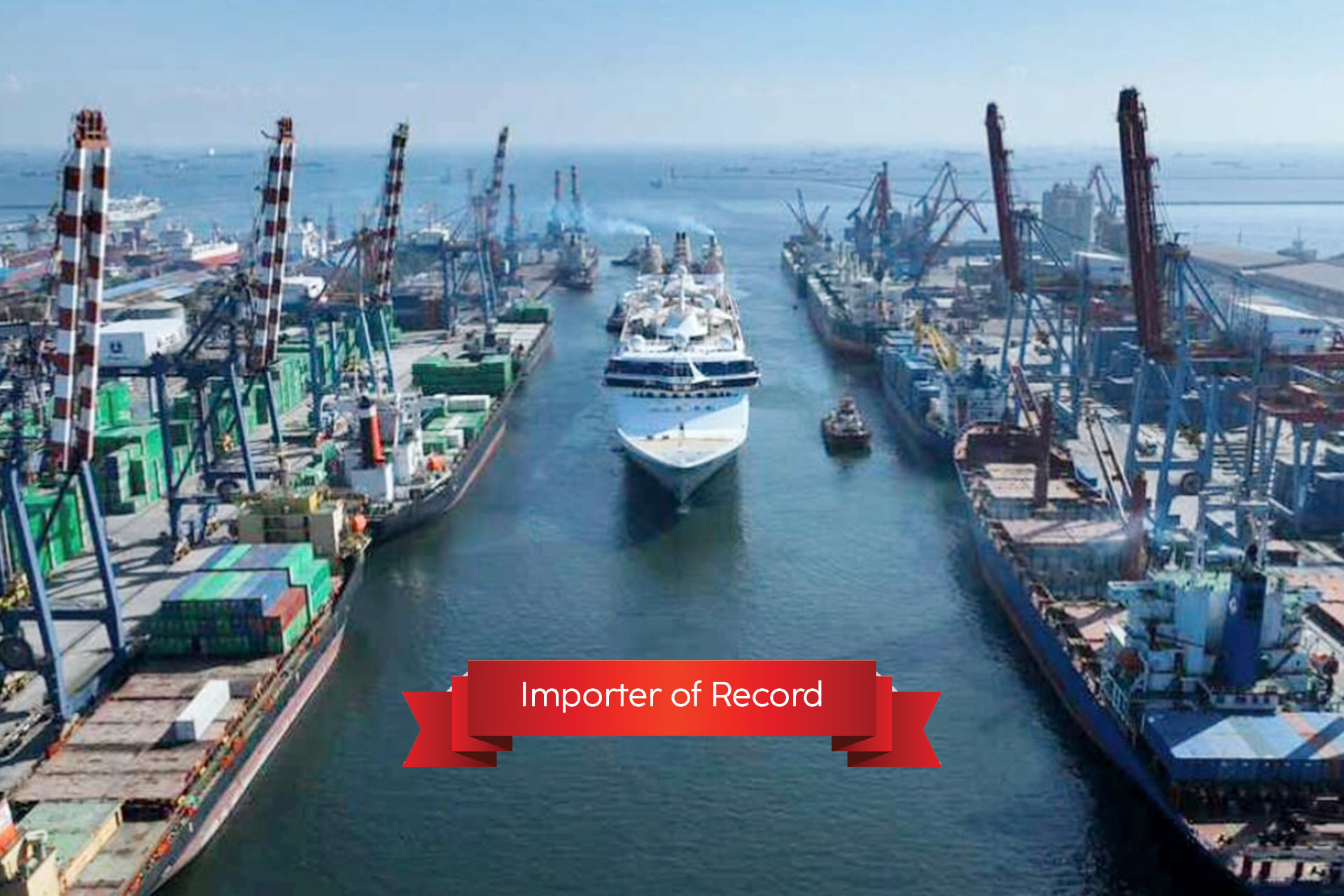
Exporter and Importer, Take Note! – Many business owners have faced this puzzling situation: all documents are complete, payments are settled, yet the shipment gets stuck at the port. Worse still, there’s often no clear explanation at first. The consequences? Skyrocketing logistics costs, delivery delays, and a damaged reputation in the eyes of buyers. The reality is, export-import isn’t as simple as moving goods from point A to point B. There are layers of quarantine rules, official distribution routes, and legal documents. Missing even a single detail can stop goods from being shipped. This is the daily challenge for exporter and importer in Indonesia, especially those new to cross-border trade.
Why Do Export or Import Goods Get Rejected or Held?
According to the Head of South Sumatra Quarantine, Sri Endah Ekandari, there are several common reasons why goods end up being rejected or detained. And it’s not about system errors — these measures exist to protect health, the environment, and public safety.
First, goods that are deemed unhealthy or carry disease indicators. Animal, fish, or plant products identified as carrying HPHK, HPIK, or OPTK are automatically rejected. Second, goods coming from regions under import bans, often due to disease outbreaks.
Third, shipments headed for prohibited destination areas. Fourth, goods shipped through unofficial routes unrecognized by the government. Fifth, goods that aren’t reported or inspected by quarantine officers. Lastly, commodities that are outright banned by law.
The challenge is that many businesses overlook these details. They focus heavily on products and buyers, forgetting that quarantine regulations and official routes are critical to smooth delivery.
It’s About More Than Just Regulations for Importer and Exporter
Some may think quarantine rules and paperwork are too complicated. But these rules have a clear purpose: to protect consumers, ensure product quality, and uphold Indonesia’s trade reputation globally.
Read also: Where to Find the Cheapest Land in Jakarta, Starting from Just Rp 800 Thousand per Square Meter
Imagine if contaminated goods carrying animal diseases or plant pests slipped through. The impact wouldn’t just hit industries, but also public health. On the other hand, companies whose shipments are often held up risk losing buyer trust. This disrupts supply chains, reduces orders, and causes major financial losses.
Importer of Record: A Safe Way to Keep Your Goods Moving
Mistakes like these often happen when you’re unfamiliar with Indonesia’s latest regulations. That’s why it’s crucial to have a partner who understands every legal detail and official distribution route. Through Bizindo’s Importer of Record (IOR) service, foreign companies or local businesses lacking experience get a reliable “gatekeeper” who handles paperwork, compliance, and quarantine procedures.
Bizindo doesn’t just help prepare documents. They make sure your goods pass through official channels, meet health standards, and have valid import permits. All this ensures one thing: your goods reach buyers on time, without the nightmare of being held up at the port.
Why Having a Partner Like Bizindo Matters
Because every small detail carries big risks. One minor mistake — like forgetting to report to quarantine or using an unofficial route — can stop your entire container. And the cost of lost time, logistics, and reputation far outweighs the cost of professional help.
With Bizindo, there’s no need to run back and forth to customs, stress over quarantine rules, or worry about compliance. Their team handles it all, from import documents and permits to making sure your goods meet every standard.
So if you’re planning to ship goods to Indonesia or want to build an export-import business without drama and failed shipments, talk to Bizindo.
Focus on growing your business, and let Bizindo handle the paperwork and compliance. Visit here for more information.


 20% off today. Whatsapp us!